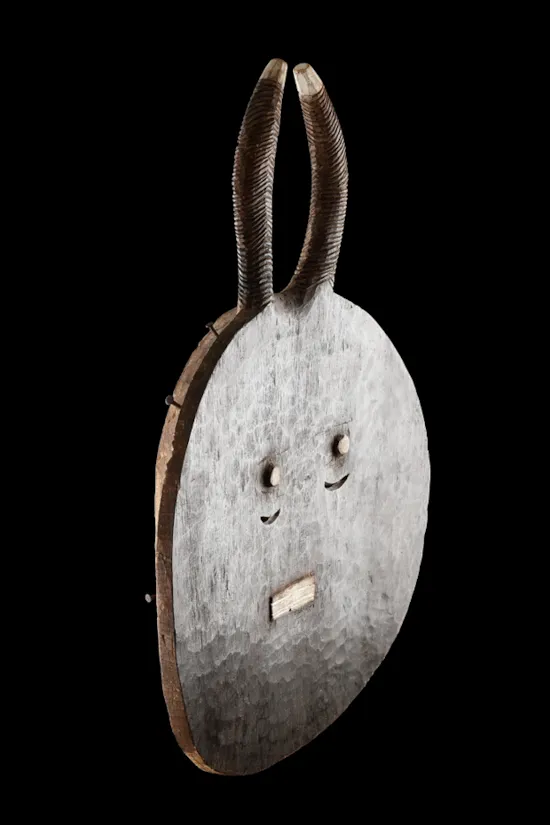
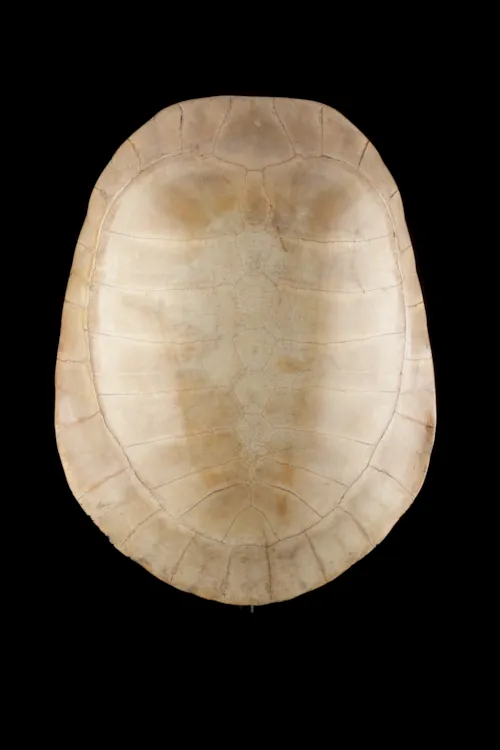
A Fine and Large Baule Goli Society Dance Mask
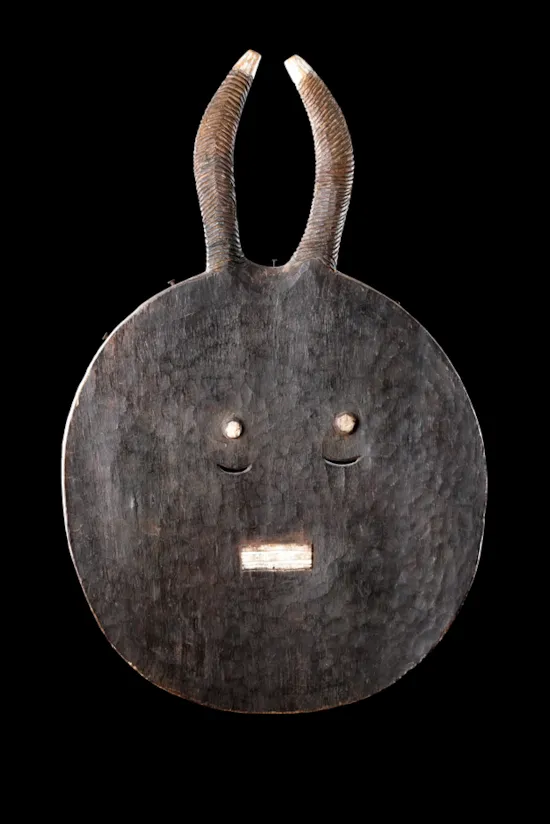
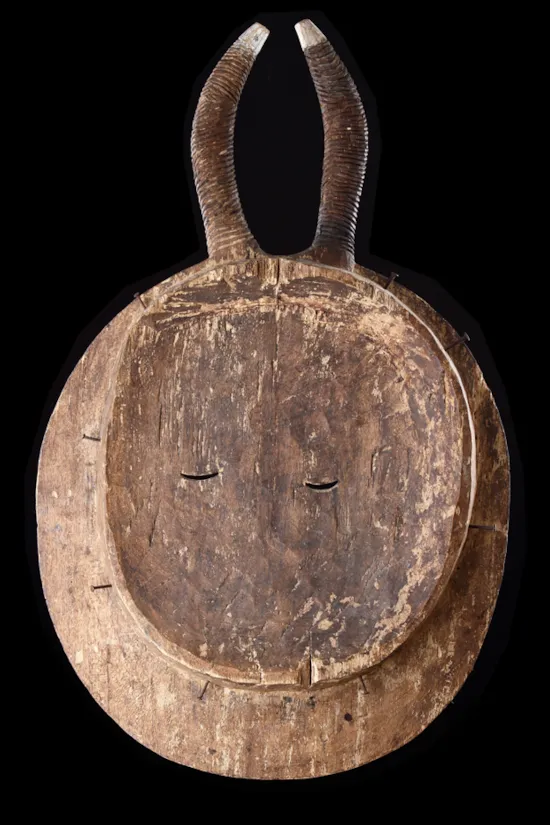
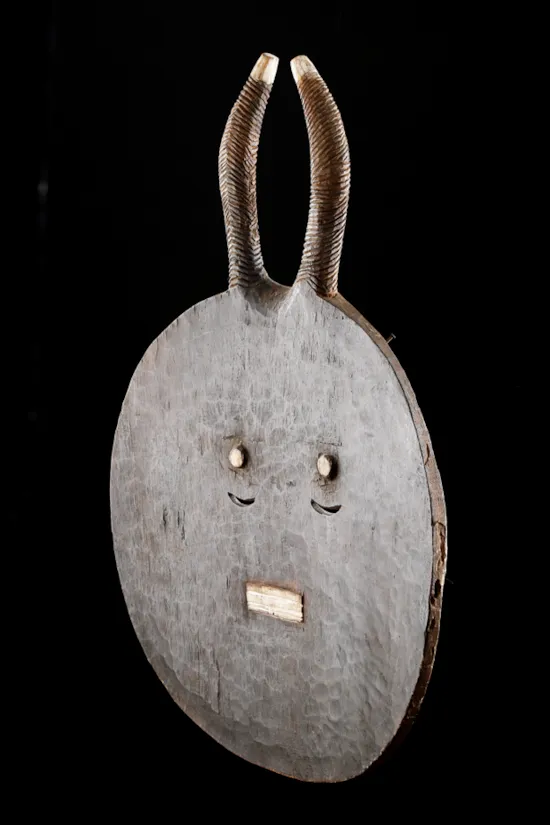
A Fine and Large Baule ‘Goli’ Society Dance Mask
Wood, pigment and metal
Cote d’Ivoire, West Africa
Late 19th / early 20th Century
Size: 81cm high, 51cm wide - 31¾ ins high, 20 ins wide
Provenance:
Ex Casali collection, Italy
Ex Private Italian collection, sold 2006
Ex John Giltsoff, catalogue 2011, pg. 12
Ex Kevin Conru
Ex Private collection
Wood, pigment and metal
Cote d’Ivoire, West Africa
Late 19th / early 20th Century
Size: 81cm high, 51cm wide - 31¾ ins high, 20 ins wide
Provenance:
Ex Casali collection, Italy
Ex Private Italian collection, sold 2006
Ex John Giltsoff, catalogue 2011, pg. 12
Ex Kevin Conru
Ex Private collection
A Fine and Large Baule ‘Goli’ Society Dance Mask
Wood, pigment and metal
Cote d’Ivoire, West Africa
Late 19th / early 20th Century
Wood, pigment and metal
Cote d’Ivoire, West Africa
Late 19th / early 20th Century
“Goli,” a traditional dance and masquerade of the Baule people of Ivory Coast, originated among the Wan people, their neighbours. It was adopted by the Baule between 1900 and 1910, possibly in response to the disruption caused by European colonialism.
Performed on significant occasions such as funerals or for entertainment, “Goli” is a remarkable feat, with a single performance lasting up to an entire day.
Two dancers wear four distinct types of traditional masks in a prescribed order: the disc-shaped kple kple, the antelope- and crocodile-inspired goli glen; the ram-horned kpan pre; and finally, the human-faced kpan with crested hair. Each mask holds intricate symbolism. At each stage, one mask is designated as “male,” while the other is “female,” representing various aspects of an individual but differentiated by specific details, such as the male kple kple being red and the female being black. Together, the kple kple and the goli glen constitute the “female” component of the dance.
Performed on significant occasions such as funerals or for entertainment, “Goli” is a remarkable feat, with a single performance lasting up to an entire day.
Two dancers wear four distinct types of traditional masks in a prescribed order: the disc-shaped kple kple, the antelope- and crocodile-inspired goli glen; the ram-horned kpan pre; and finally, the human-faced kpan with crested hair. Each mask holds intricate symbolism. At each stage, one mask is designated as “male,” while the other is “female,” representing various aspects of an individual but differentiated by specific details, such as the male kple kple being red and the female being black. Together, the kple kple and the goli glen constitute the “female” component of the dance.
Ex Casali collection, Italy
Ex Private Italian collection, sold 2006
Ex John Giltsoff, catalogue 2011, pg. 12
Ex Kevin Conru
Ex Private collection
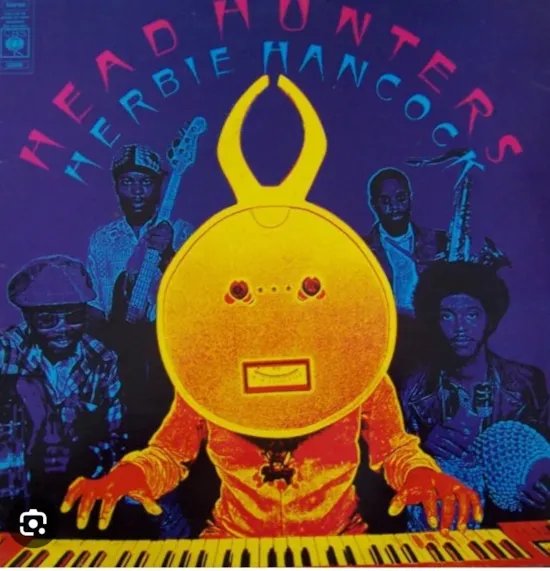
cf: a very similar mask was used on the cover of Herbie Hancock’s 1973 album; Head Hunters
Ex Private Italian collection, sold 2006
Ex John Giltsoff, catalogue 2011, pg. 12
Ex Kevin Conru
Ex Private collection
cf: a very similar mask was used on the cover of Herbie Hancock’s 1973 album; Head Hunters
A Fine and Large Baule Goli Society Dance Mask